
Creating a home office that feels both productive and relaxing can significantly improve your work-from-home experience. A well-designed workspace helps reduce stress, maintain focus, and keep motivation high throughout the day. Whether you have a dedicated room or a small corner in your home, these tips will help you build a calming environment that supports your work and well-being.
Choose the Right Location
The first step in creating a relaxing home office is selecting the right spot. Ideally, find a quiet area with minimal distractions, away from noisy household activities. If possible, choose a space with natural light, such as near a window. Natural light not only improves mood but can also reduce eye strain.
If your space is limited, consider using room dividers or screens to designate your work area clearly. This visual separation helps your brain distinguish work time from relaxation time.
Invest in Comfortable Furniture
Comfort is key to maintaining focus and avoiding discomfort during long work hours. Choose an ergonomic chair that supports your back and promotes good posture. Adjustable desks are also popular for allowing you to switch between sitting and standing positions, which benefits circulation and energy levels.
Your desk should have enough surface space to keep your essentials organized without feeling cluttered. Add a soft cushion or footrest if it helps you stay comfortable and relaxed.
Use Calming Colors and Decor
Colors influence moods and productivity. Soft, neutral tones like pale blues, greens, or warm beige create a soothing atmosphere. Avoid overly bright or harsh colors that may cause visual fatigue.
Decorate your office with simple, minimalistic items to prevent distractions. Adding a few personal touches like framed photos, motivational quotes, or small plants can boost your mood while maintaining a clutter-free environment.
Incorporate Nature Elements
Bringing nature indoors can make your workspace more refreshing and relaxing. Indoor plants improve air quality and add a calming green presence. Choose low-maintenance plants such as succulents, snake plants, or pothos.
If plants aren’t an option, consider nature-inspired artwork, water features, or natural materials such as wood and stone to create a sense of connection to the outdoors.
Manage Lighting Wisely
Good lighting reduces eye strain and creates a pleasant work environment. Combine natural light with adjustable artificial lighting to suit different times of day and tasks.
A desk lamp with adjustable brightness and color temperature offers flexibility. Warmer lights in the evening can help signal your body to wind down, while cooler, brighter lights during the day support alertness.
Keep Your Workspace Organized
Clutter can increase stress and reduce productivity. Use storage solutions such as shelves, drawers, and organizers to keep paperwork, supplies, and electronics tidy.
Establish a habit of tidying up your desk at the end of each workday. Minimal clutter allows your mind to focus better and creates a more peaceful workspace.
Control Noise Levels
Noise disturbances can be highly distracting. If your home is noisy, consider noise-canceling headphones or white noise machines to help create a consistent sound environment.
If possible, add soft furnishings like rugs, curtains, or cushions that absorb sound and reduce echo, making your home office feel cozier and quieter.
Add Personal Relaxation Touches
Incorporate items that help you relax during breaks, such as a comfortable throw blanket, a diffuser with calming essential oils, or your favorite books.
Having a designated spot for short breaks within your work area encourages regular rest and mental refreshment, improving focus when you return to tasks.
Establish Boundaries and Routine
Finally, set clear boundaries to separate work from personal life. Communicate your working hours to family or housemates and stick to a routine.
Use tools like calendars or timers to structure your day, including scheduled breaks. A consistent routine helps your mind transition into “work mode” and, just as importantly, knowing when to switch off.
—
By thoughtfully designing your home office with comfort, organization, and relaxation in mind, you can create an environment that supports both productivity and well-being. A calming workspace ultimately helps you stay motivated, focused, and stress-free during your workday. Start small with a few changes and gradually build an office space that feels just right for you.
Related Posts
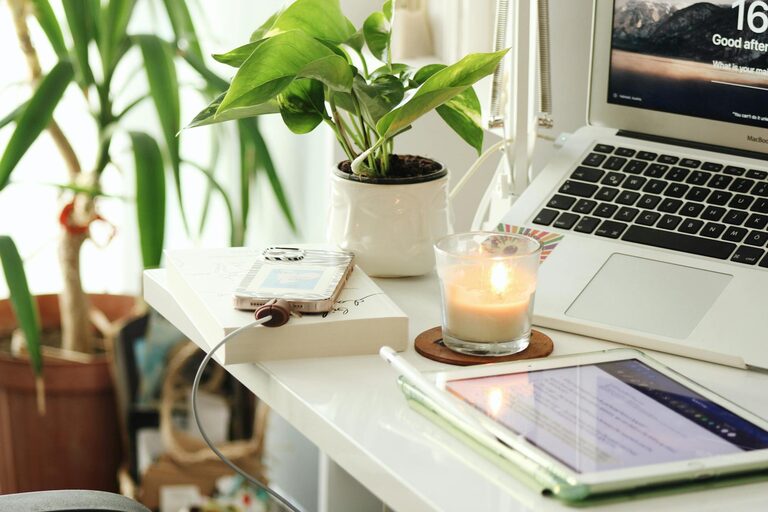
Tips for Creating a Cozy and Productive Home Office Space
Creating a home office space that is both cozy and…
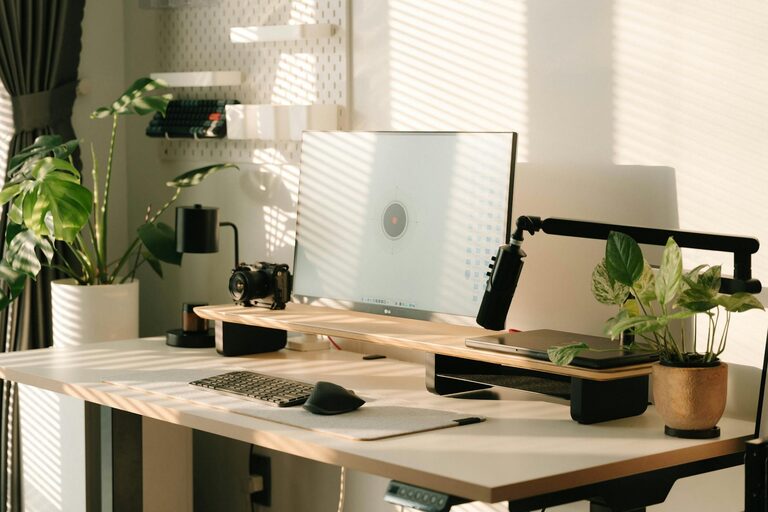
Tips for Creating a Relaxing Home Workspace to Boost Productivity and Comfort
Creating a home workspace that feels relaxing and comfortable is…
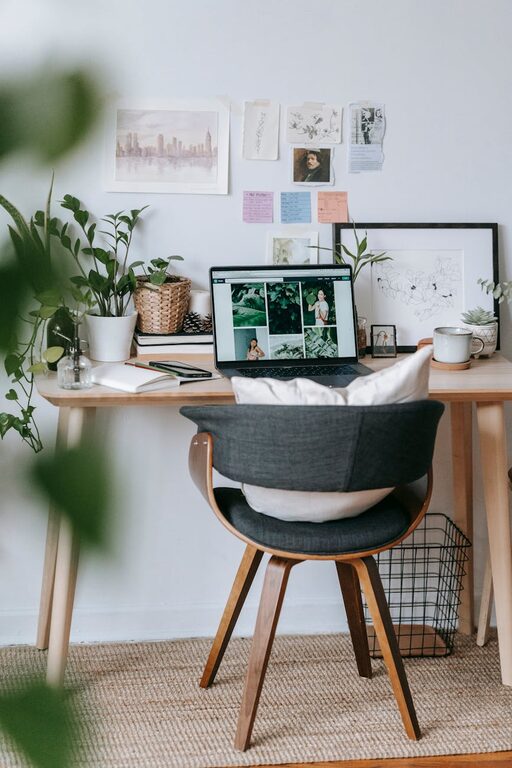
Tips for Creating a Cozy and Functional Home Office Space
Creating a home office that feels both cozy and functional…