
Creating a home office space that is both cozy and productive can transform the way you work and boost your overall well-being. Whether you’re working remotely full-time or just occasionally, having a well-organized and comfortable environment helps you stay motivated, focused, and happy. Here are some useful tips to help you design a home office that feels inviting and supports your productivity.
Choose the Right Location
The first step to creating an effective home office is selecting the ideal spot. Consider these factors when picking a location:
– Natural Light: Pick a place with plenty of natural light. Sunlight helps reduce eye strain and improves mood.
– Quiet Area: Choose a quiet corner or room to minimize distractions and noise.
– Space: Make sure there’s enough room for your desk, chair, and any additional tools or storage you might need.
– Privacy: If you share your home, try to find a space where you can work without interruptions.
Invest in Comfortable and Functional Furniture
Comfort is key when spending hours working at home. Furniture should support your body and enhance productivity.
– Ergonomic Chair: Choose a chair that supports your back and encourages good posture.
– Desk Height: Your desk should allow your arms to rest comfortably at a 90-degree angle when typing.
– Adjustable Furniture: Consider desks or chairs with adjustable heights to customize your setup.
– Storage Solutions: Incorporate shelves, drawers, or filing cabinets to keep your space clutter-free.
Create an Organized Workspace
An organized workspace helps reduce stress and saves time looking for things.
– Declutter Regularly: Remove items that you don’t need for daily tasks.
– Use Desk Organizers: Use trays, pen holders, and cable management tools to keep your desk tidy.
– Digitize When Possible: Keep digital records instead of piles of paper to save space.
– Label Everything: Label files, boxes, and drawers for easy access.
Personalize Your Environment
Adding personal touches makes your workspace feel welcoming and inspiring, which can improve your mood and creativity.
– Add Plants: Houseplants bring freshness and improve air quality.
– Use Art and Photos: Decorate with pictures, artwork, or quotes that motivate you.
– Choose Cozy Textiles: Add cushions or a soft blanket for comfort during long work sessions.
– Adjust Lighting: Use warm-colored lamps or fairy lights to create a soothing atmosphere in the evening.
Optimize Lighting
Good lighting is crucial for reducing eye strain and boosting concentration.
– Natural Light First: Position your desk near windows if possible.
– Task Lighting: Use adjustable desk lamps to focus light where you need it.
– Avoid Glare: Place your computer monitor perpendicular to windows to reduce screen glare.
– Balanced Lighting: Combine ambient light with focused lamps to create a well-lit space.
Maintain Good Air Quality and Temperature
A comfortable environment supports alertness and health.
– Ventilation: Open windows regularly or use an air purifier to keep the air fresh.
– Temperature Control: Use fans, heaters, or air conditioning to maintain a comfortable temperature.
– Humidity: Consider a humidifier if your home is dry, especially in winter.
Set Boundaries and Establish a Routine
Separating work time and personal time is essential when working at home.
– Define Your Work Hours: Set regular working hours and stick to them.
– Use Physical Boundaries: Close the door or use room dividers to signal work time.
– Take Breaks: Schedule short breaks to stretch and rest your eyes.
– End-of-Day Ritual: Have a routine that helps you transition from work mode to personal time.
Use Technology to Your Advantage
Technology can streamline your work and keep you organized.
– Reliable Internet: Invest in stable internet for uninterrupted work.
– Headphones: Noise-canceling headphones reduce distractions during calls or focused tasks.
– Productivity Apps: Use apps for time management, task lists, and note-taking.
– Cable Management: Use clips or sleeves to keep your cables neat and avoid tangles.
Keep It Flexible
Your needs may change over time, so design your home office with flexibility.
– Movable Furniture: Use furniture on wheels or lightweight pieces so you can rearrange easily.
– Multi-Purpose Space: Choose elements that can serve multiple functions.
– Adapt Lighting: Use dimmers or different lamps for various moods or tasks.
– Adjust Storage: Use modular storage that can be added or removed as needed.
—
Designing a cozy and productive home office means combining comfort with functionality. By paying attention to location, furniture, organization, and personal touches, you can create a space that helps you work better and feel good doing it. Remember to keep your environment adaptable and maintain a healthy work-life balance for long-term success. With these tips, your home office will become your favorite place to accomplish your goals.
Related Posts
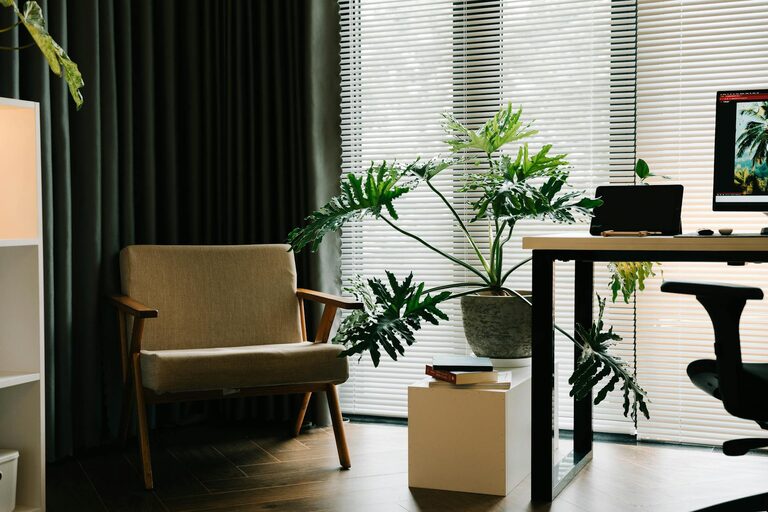
Tips for Creating a Relaxing Home Office Environment
Creating a home office that feels both productive and relaxing…
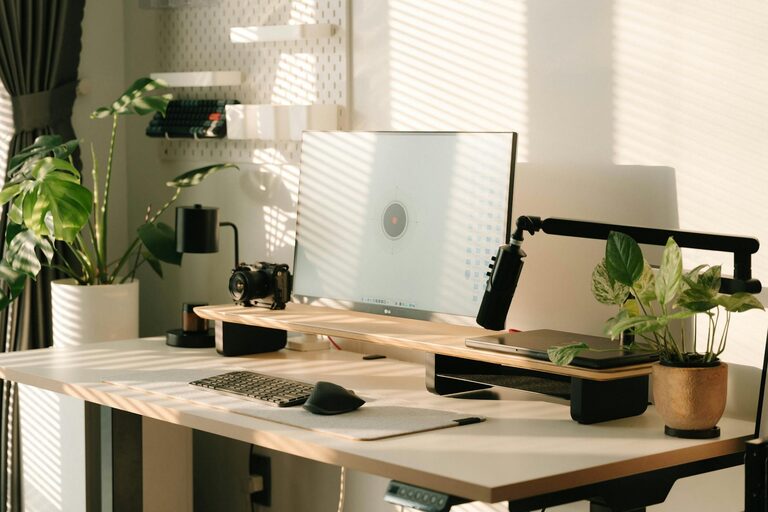
Tips for Creating a Relaxing Home Workspace to Boost Productivity and Comfort
Creating a home workspace that feels relaxing and comfortable is…
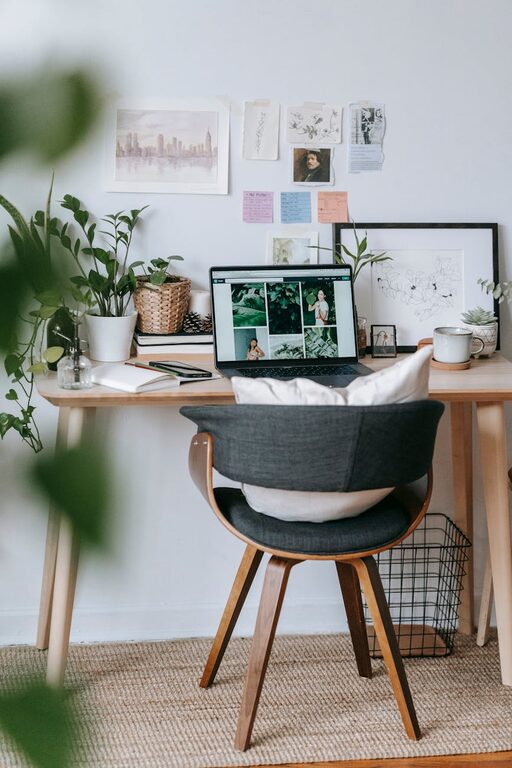
Tips for Creating a Cozy and Functional Home Office Space
Creating a home office that feels inviting and supports your…