
Creating a relaxing home workspace is essential for anyone looking to boost productivity while maintaining their well-being. When your workspace feels comfortable and calming, it can help reduce stress, improve focus, and make working from home a more enjoyable experience. In this post, we’ll explore practical tips to help you design a home office that supports both productivity and relaxation.
Choose the Right Location
Selecting the ideal spot in your home for your workspace is the first step. Ideally, find a quiet area with minimal distractions. A corner of a room, near a window, or a spare room can work well.
Consider natural light
Natural light has been shown to improve mood and energy levels. Position your desk near a window if possible. If natural light is limited, invest in good quality lighting that mimics daylight, such as full-spectrum bulbs.
Limit distractions
Try to avoid placing your workspace in high-traffic areas. If space is limited, use room dividers or curtains to create a separate zone that signals “work time” to your brain and household members.
Invest in Comfortable Furniture
Comfort is key to staying productive and relaxed during long work hours. Your furniture should support your body and promote good posture.
Ergonomic chair
Choose a chair that supports your lower back, encourages an upright posture, and has adjustable height and armrests. Sitting comfortably can reduce fatigue and prevent discomfort.
Desk size and height
Your desk should be spacious enough for your computer, supplies, and any other tools you need. The height should allow your forearms to rest parallel to the floor when typing, preventing wrist strain.
Organize with Purpose
An organized workspace can help reduce stress and make it easier to focus on tasks.
Declutter regularly
Clear off your desk at the end of each day. Keep only essentials on the surface, and store the rest in drawers or organizers.
Use storage solutions
Boxes, shelves, and filing cabinets can help keep papers and supplies tidy. Label containers so you can quickly find what you need.
Digital organization
Keep your computer desktop clean and use folders to organize files. Back up your work regularly to avoid data loss.
Personalize Your Space
Adding personal touches can make your workspace more inviting and less sterile.
Plants
Indoor plants not only add a splash of green but also improve air quality and boost mood. Low-maintenance plants like succulents or pothos are good choices.
Art and décor
Incorporate calming artwork, inspirational quotes, or photos that make you happy. Avoid overly busy or distracting visuals.
Scent
A pleasant scent can enhance relaxation and focus. Consider a diffuser with essential oils like lavender or peppermint, or light scented candles if safe to do so.
Manage Noise Levels
Noise can greatly impact your ability to concentrate and feel calm.
Noise-cancelling options
Invest in noise-cancelling headphones or earbuds to block out background noise. Alternatively, use white noise machines or apps that play soothing sounds like rain or waves.
Set boundaries
If you share your home with others, set clear expectations about your work hours and the need for quiet during those times.
Incorporate Break Areas and Movement
Sitting for long periods can negatively affect physical and mental well-being. Creating a space that encourages movement is beneficial.
Standing options
Consider a sit-stand desk or a desk converter to alternate between sitting and standing throughout the day.
Stretching space
Keep a small area nearby for stretching or light exercises. Taking short movement breaks can improve circulation and reduce fatigue.
Comfortable seating for breaks
Include a cozy chair or cushion nearby where you can step away from your desk to relax for a few minutes when needed.
Control Temperature and Air Quality
A comfortable temperature and fresh air contribute to a productive and pleasant workspace.
Maintain a comfortable temperature
Keep the room neither too hot nor too cold. Use a fan, heater, or thermostat as needed.
Improve air quality
Open windows regularly to allow fresh air in or use an air purifier to reduce dust and allergens.
Establish a Daily Routine
Having a routine can help your brain switch into work mode and also signal when it’s time to relax.
Start with a ritual
Begin your workday with a consistent activity, like making a cup of tea or reviewing your to-do list.
Take regular breaks
Use the Pomodoro technique or a similar method to schedule breaks every 25–50 minutes. Stand up, stretch, or walk around briefly.
End your workday intentionally
Set a specific time to stop working and tidy your space to create a clear boundary between work and personal time.
—
By following these tips, you can create a home workspace that not only fosters productivity but also keeps you relaxed and healthy. Remember that everyone’s needs are different, so feel free to adapt these suggestions to suit your personal style and routine. A well-designed workspace is an investment in your work quality and well-being. Happy designing!
Related Posts
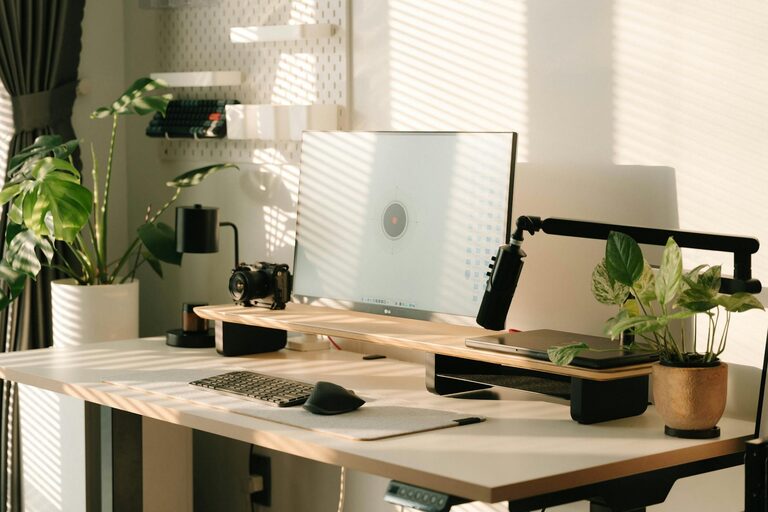
Tips for Creating a Relaxing Home Workspace to Boost Productivity and Comfort
Creating a home workspace that feels relaxing and comfortable is…
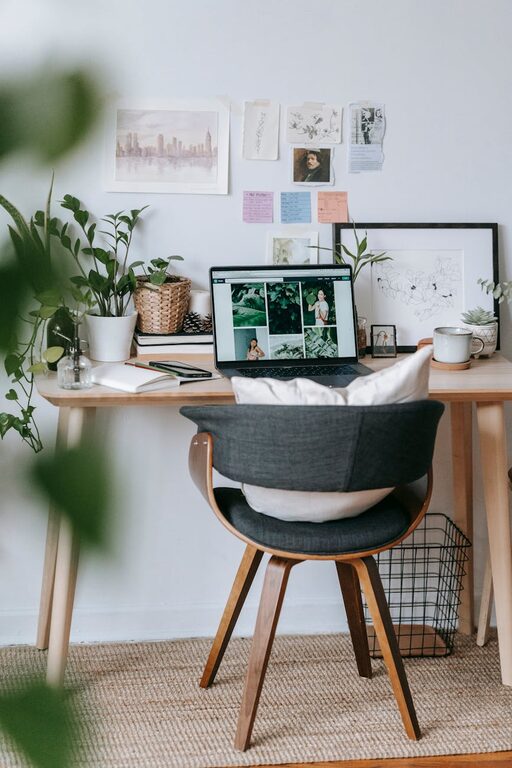
Tips for Creating a Cozy and Functional Home Office Space
Creating a home office that feels both cozy and functional…
Tips for Creating a Cozy and Functional Home Office Space
Creating a home office that feels inviting and supports your…